Mobile welding repairs for farm and plant machinery in Norfolk
Farm & Plant Welding Guide
In farming and construction, a broken machine rarely happens at a good time. A cracked loader arm during harvest or a split bucket halfway through a groundworks job can hold everything up. Mobile welding means the repair comes to the machine, so you're not stuck arranging transport to a workshop.
Here's what to expect, what can usually be repaired on site and how to get the most from a visit.
What mobile welding can usually fix
Plenty of common breakdowns can be repaired in the yard, in the field or on site, such as:
- Cracked or broken frames, brackets and mounts
- Worn or damaged buckets, blades and attachments
- Loader arms, tines, drawbars and hitches
- Trailers, tipping bodies and tailgates
- Livestock handling equipment, gates and feeders
- Guards, steps and access platforms
Some repairs are better done in a workshop, for example where a part needs to be stripped down, straightened or remade, or where the conditions on site aren't safe for welding. A good welder will tell you honestly which is which.
Why a quick repair can save money
A small crack often turns into a big one if a machine keeps working. Getting it welded early, and properly reinforced if needed, can prevent a more serious failure later. It's also worth keeping an eye on high-stress areas such as pivot points, mounts and welded joints during routine checks, so problems get spotted early.
How to prepare for a mobile welding visit
A bit of preparation helps the repair go smoothly:
- Send photos first. A few clear pictures of the damage, plus one showing the whole machine, help the welder judge what's needed and bring the right kit.
- Share your location. A postcode or what3words for a field or yard entrance saves time.
- Clean the area if you can. Mud, grease, oil and crop debris around the repair need clearing. It speeds things up and reduces fire risk.
- Make the machine safe. Park it on firm, level ground, lower attachments, switch it off and remove the keys.
- Clear flammables. Move fuel, straw, hay and anything else that could catch from sparks well away from the work area.
- Mention any electronics. Modern machines have sensitive electrics, and the welder may need to take precautions before welding.
Repair or replace?
Sometimes a worn part has been welded so many times it's no longer worth repairing. A welder can often fabricate a stronger replacement or add reinforcement where the original design is weak. It's worth asking about this if the same part keeps failing.
Mobile welding from Rackheath
We've been welding and fabricating for 20 years, and we carry out agricultural and heavy plant welding repairs on site within 15 miles of Rackheath, or in our Rackheath workshop. Site visits are booked in, so the quickest way to get one arranged is to WhatsApp photos to 07824 656634 or call us on 01603 560808.
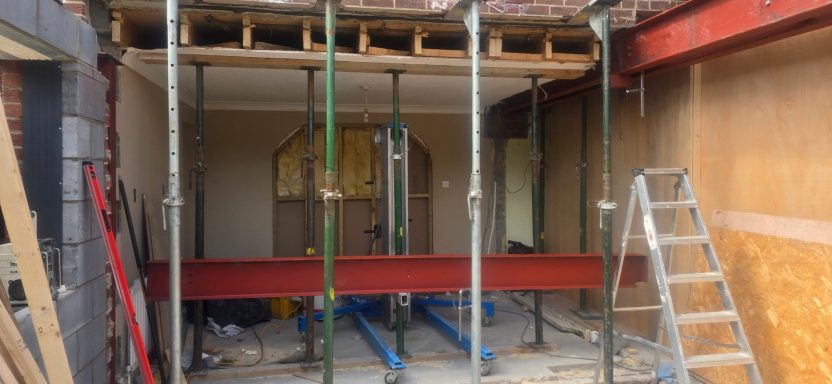
On-Site Welding Jobs
On-site welding and fabrication from our Norwich workshop.